
Thermal-Recuperative Afterburning Systems (TNV)
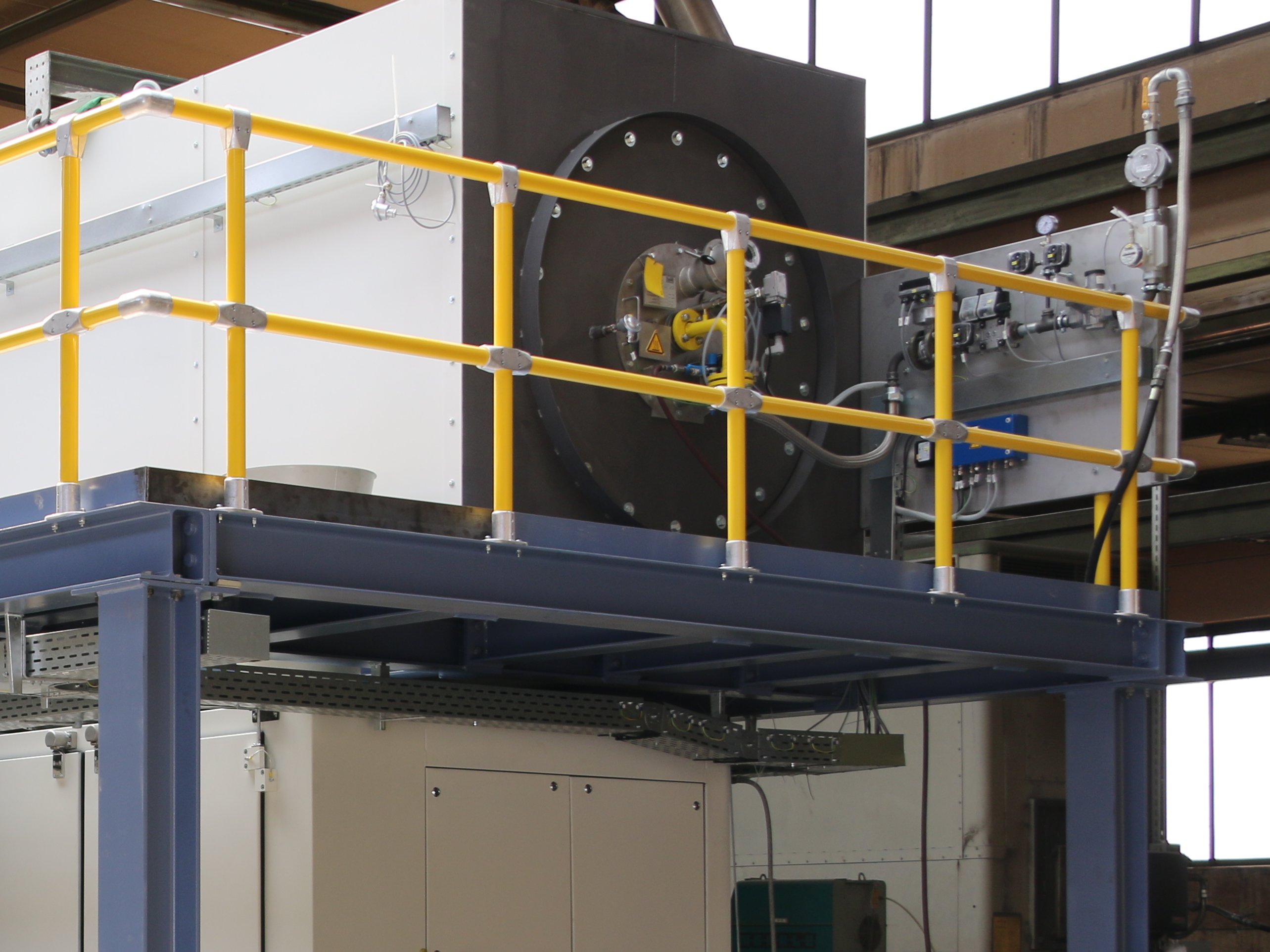
Thermal recuperative afterburning systems (TNV) are used to treat exhaust air streams contaminated with pollutants from industrial processes. Thermal processes, in particular, generate volatile organic compounds (VOCs), which must be oxidatively degraded in accordance with applicable regulations before being emitted into the environment.
The systems are designed specifically for each process and ensure optimal integration into existing production systems. The coordinated integration of the production plant and exhaust air treatment ensures stable and efficient operation.
A key feature is the utilization of the heat generated during oxidation for energy purposes. Through recuperative heat recovery, the thermal energy is used to heat upstream or downstream process steps. Depending on the specific application, a high recovery rate can be achieved, leading to a significant reduction in primary energy consumption.
Gas-fired systems represent the current state of the art. The burner systems used are designed for operation with different gas qualities and, in the future, will also allow for the use of hydrogen up to a 100% blend.
In addition, an electrically heated version of the thermal post-combustion system is available, which is becoming increasingly important, particularly in the context of the growing electrification of industrial processes and the use of renewable energy sources.